Home / Blog / Career guides
Career guides
Legal operations certification: who the CLOC LOCP is for
The first dedicated legal operations certification is aimed at experienced functional owners, not people looking for an entry ticket. Separate what CLOC has confirmed from what candidates still need to wait for.
The LOCP is a certification, not an entry-level course
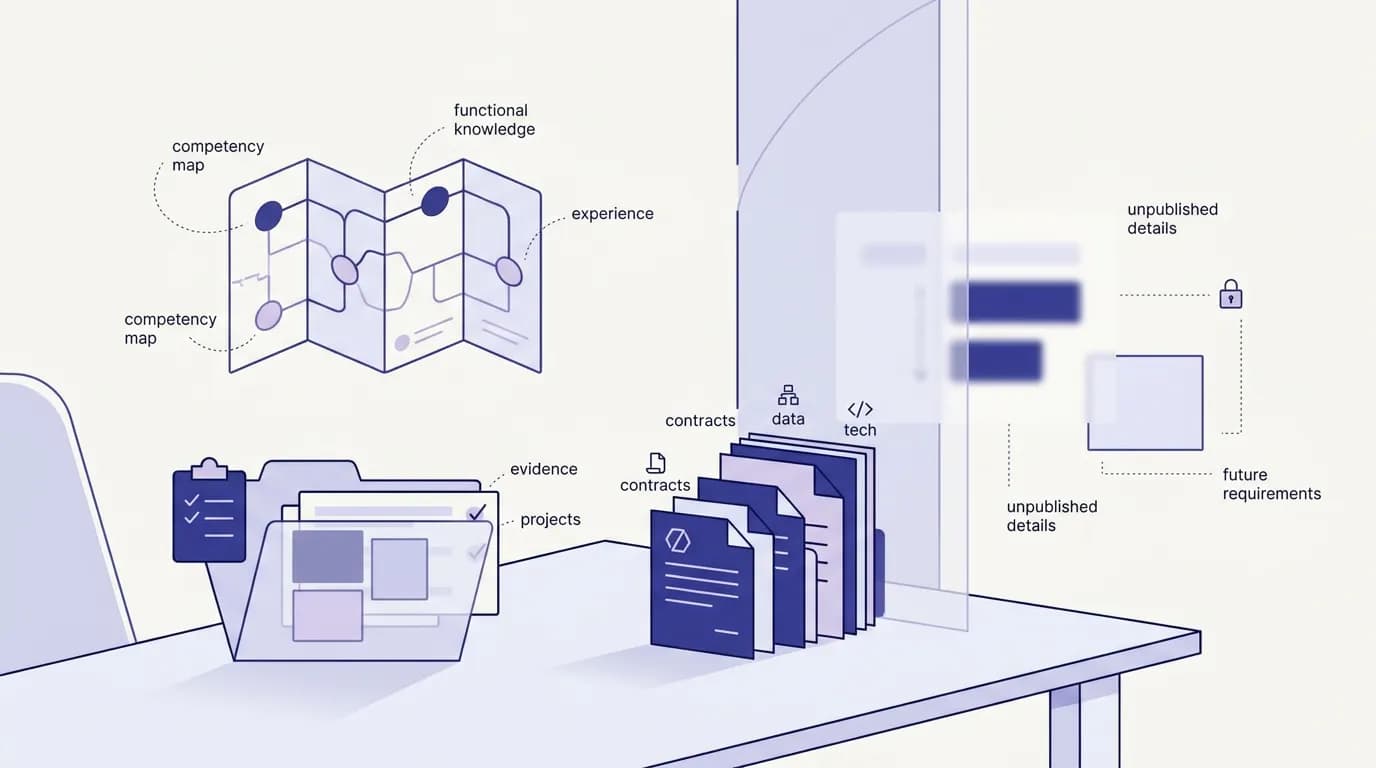
CLOC announced the Legal Operations Certified Professional (LOCP) in September 2026 as a formal certification built to test professional judgment. Its [current eligibility page](https://cloc.org/locp/) says candidates need at least three years in legal operations, ownership of a functional area, experience leading strategy or cross-functional initiatives, and a record of managing stakeholders across teams. That makes the intended reader an established practitioner who can draw on real decisions—not someone trying to replace experience with a first credential. If you are moving into legal operations, start with the legal operations career path and build evidence in a specific workstream first.
What is confirmed for the first exam
CLOC says the first candidates will sit the exam on 10 May 2027 during a CLOC Academy pre-event programme ahead of the CLOC Global Institute in Las Vegas. The assessment is being developed through job-task analysis, standard setting and psychometric validation, with a practitioner advisory committee defining the initial standard. CLOC says it will use scenarios to test issue spotting, application of the Core 12, ethical and regulatory awareness, and judgment around AI transformation. CLOC Academy is the first authorised learning provider. These are the published facts as of 9 October 2026; they do not establish what every employer will value or require.
What is not yet published
Do not plan around details that CLOC has not released. The public LOCP material does not yet state the exam fee, full blueprint, question count, pass standard, recertification rules, remote-testing option, or the complete application and evidence process. Initial exam places are due to open to eligible candidates before the May sitting, but availability and selection mechanics can still change. Treat summaries on third-party pages as discovery leads and use the official LOCP page for decisions. A useful career guide should distinguish an announced standard from a fully available credential.
Use a four-part fit test before pursuing it
First, check eligibility literally: years alone are insufficient if you have not owned a function or led cross-functional work. Second, check breadth. The LOCP is grounded in the CLOC Core 12, so a deep CLM, e-billing, eDiscovery, data, or legal AI specialist will still need to reason across the wider operating system of a legal department. Third, check timing: the first sitting is in May 2027 and important logistics remain open. Fourth, check the decision you need the credential to support. An external standard may help an experienced operator make broad judgment visible, but CLOC has not promised a job, promotion, salary change, or universal employer recognition.
Prepare evidence before you prepare for an exam
Build a private evidence map across several Core 12 areas. For each example, record the operating problem, affected stakeholders, constraints, decision you owned, artifact produced, control or ethical issue considered, and what changed after implementation. Use material you can discuss without disclosing confidential data. A CLM example might connect workflow design, technology, training and reporting; an e-billing example might connect financial management, provider management, data quality and governance. The analyst requirements guide explains how to show an evidence chain, while the manager mandate guide helps separate contribution from decision authority.
Choose learning, certification, or work evidence for the gap you have
If your gap is vocabulary or exposure, structured learning may be more useful now than an advanced assessment. CLOC distinguishes Academy course certificates from the LOCP certification: a course certificate records completed learning, while the LOCP is intended to validate an experienced practitioner's judgment against a professional standard. If your gap is hands-on ownership, seek a bounded operating loop—such as intake, CLM administration, matter data, spend reporting, vendor onboarding, UAT, or adoption—and keep a decision record. If you already own cross-functional work, monitor the official LOCP updates and compare the released blueprint with the work you actually do before committing money or travel.
How to use the announcement in a job search now
Do not add LOCP after your name before earning it or describe yourself as a candidate until CLOC opens and accepts applications. You can use the published eligibility standard as a diagnostic: does your CV show functional ownership, strategy or cross-functional delivery, and stakeholder management through specific outcomes and artifacts? Browse legal operations jobs for the workstreams employers currently combine, and set a job alert for roles that would deepen the ownership you are missing. Recheck the official LOCP page when exam registration, costs and the detailed blueprint are released.