Home / Blog / Career comparisons
Career comparisons
eDiscovery jobs vs legal operations jobs: which path fits your skills?
Both paths combine legal context, technology, data, vendors, and project work. The main difference is what the role is built to deliver: reliable evidence workflows for disputes, or reliable business operations for a legal function.
Start with the object being managed
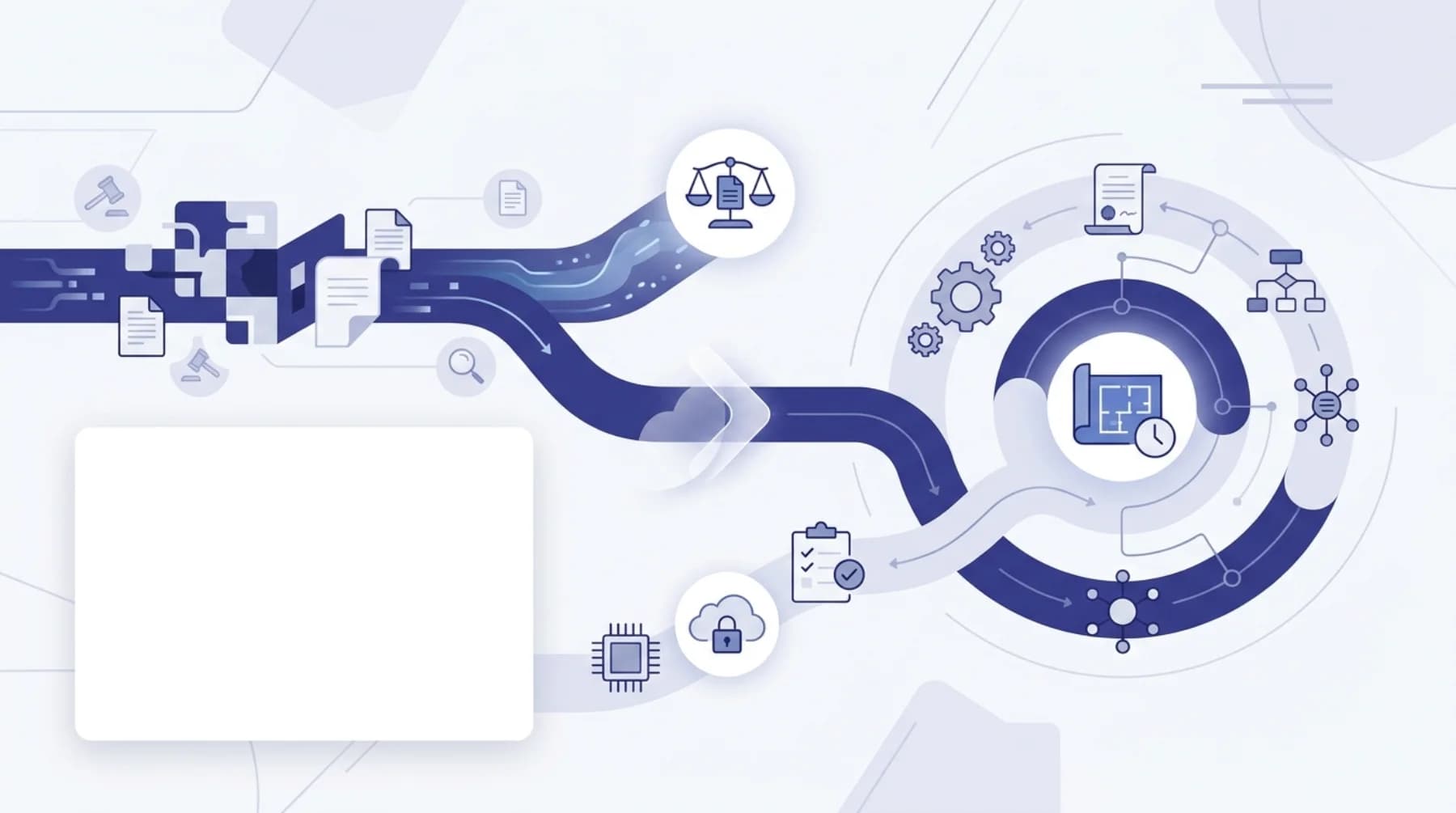
An eDiscovery role is usually organized around electronically stored information for litigation, investigations, or regulatory requests. The work follows a matter: identify possible data sources, preserve and collect material, process it, support review and analysis, and prepare productions. A legal operations role is usually organized around the legal department itself: intake, contracts, spend, vendors, matter records, systems, reporting, and process improvement. That distinction is more reliable than the title. A posting called Legal Technology Analyst may support review databases all day, while a Legal Operations Specialist may own an eDiscovery program alongside other department systems.
The workflow creates a different kind of pressure
eDiscovery pressure is matter-driven. A new custodian, collection problem, review deadline, production specification, or privilege issue can change the plan quickly. EDRM describes the process as iterative rather than a strict waterfall: teams may return to identification, preservation, or collection as their understanding of the data changes. Legal operations pressure is more often portfolio-driven. The team must keep recurring processes dependable across many matters and business users: invoice approvals, intake queues, contract workflows, vendor records, dashboards, system releases, and month-end reporting. Both paths need careful project control, but eDiscovery asks whether a defensible matter workflow will deliver the right data; legal ops asks whether an operating process will keep working at department scale.
Compare the systems and evidence each role values
eDiscovery postings often value hands-on work with review, processing, legal-hold, collection, and information-governance tools. Platform depth can be specific: Relativity's specialist tracks separate processing, review management, analytics, and project management, reflecting distinct workflows inside the field. Legal operations postings more often mention CLM, e-billing, matter management, intake, document management, reporting, procurement, or workflow platforms. Do not turn a software list into a verdict. Look at the action verbs. Importing data, configuring review workspaces, running searches, checking productions, and documenting chain-of-custody point toward eDiscovery. Administering intake, reconciling spend, maintaining matter taxonomies, mapping processes, managing releases, and reporting across the department point toward legal operations.
The stakeholder map reveals where the role sits
eDiscovery professionals commonly coordinate among litigation or investigation teams, IT, information security, records teams, outside counsel, review teams, and specialist vendors. Current in-house hybrid roles can also connect preservation, collection, analytics, retention, privacy, and information governance. Legal operations professionals work across the wider legal function and regularly connect Legal with Finance, Procurement, IT, business requesters, law firms, and technology vendors. CLOC's Core 12 includes technology, project/program management, business intelligence, financial management, firm and vendor management, and information governance. That breadth explains the overlap, but it does not make the paths interchangeable: ask which stakeholders drive the queue and which deliverable they are waiting for.
Use your preferred problem type to choose a direction
eDiscovery may fit if you like tracing data through a defined matter, diagnosing technical issues under deadline, maintaining precise records, learning review workflows deeply, and translating between legal and technical teams. Broader legal operations may fit if you prefer improving recurring services, connecting several business systems, working across spend, contracts, vendors, and intake, and measuring how a department operates over time. Neither path is automatically more technical or more strategic. A senior eDiscovery manager can own budgets, vendors, policy, and program design; a legal operations analyst can be deeply hands-on with system configuration and data. Compare actual authority, not presumed seniority.
Translate experience across the boundary without overstating it
The strongest transferable evidence is operational. From eDiscovery to legal ops, emphasize cross-functional project delivery, vendor coordination, data quality, workflow documentation, reporting, user training, system administration, and controlled handoffs. Then identify the business-process gap you still need to close, such as e-billing, CLM, intake, or department-wide metrics. From legal ops to eDiscovery, emphasize matter context, information governance, platform administration, audit trails, issue escalation, and work with IT or outside counsel. Be explicit when your exposure stopped at coordination rather than collection, processing, review administration, or production. A certification can support a platform story, but a posting may prioritize demonstrable workflow experience instead; follow the employer's stated requirements.
Read hybrid postings with a boundary test
Some in-house roles deliberately combine eDiscovery with legal analytics, information governance, privacy, retention, and broader legal technology. For each responsibility, ask four questions: What starts the work? What data or system is being controlled? What failure must be prevented? Who accepts the output? If most answers point to litigation events, custodians, ESI, review, and production, the role is eDiscovery-led. If they point to business intake, contracts, spend, vendors, matter data, adoption, and recurring reporting, it is legal-operations-led. If the answers genuinely split, treat it as a hybrid and test whether the team has enough resources for both mandates. Compare that scope with the legal operations analyst skills guide and CLM administrator career path, then review current legal operations jobs rather than relying on title alone.